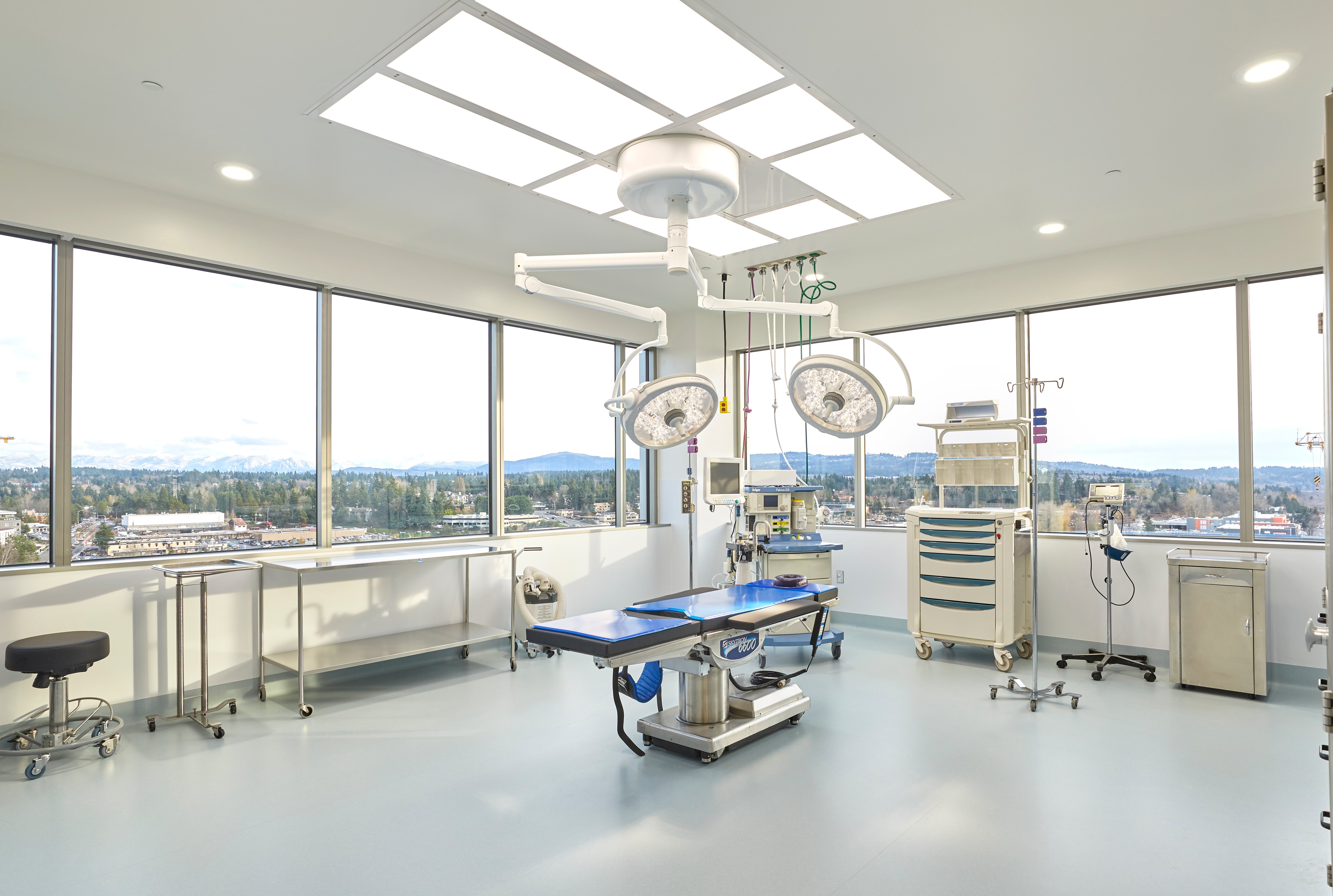
Architects and Engineers No Longer Need to Choose Between Performance and Design
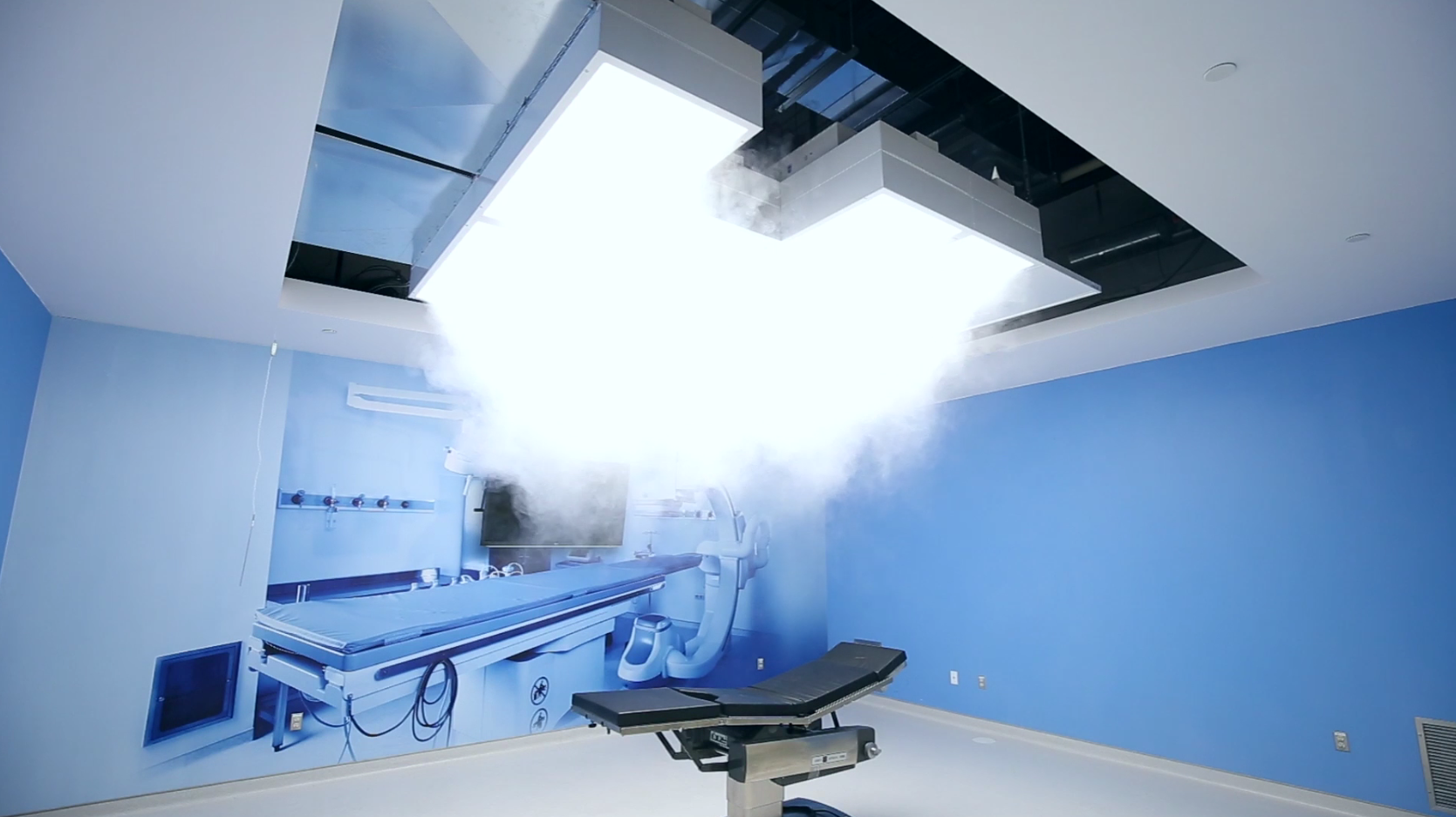
Air distribution is a necessary part of any well-designed indoor space. The HVAC system is used not only to provide heating and cooling in our buildings but also as a source of fresh, clean air. In the case of highly architectural spaces, how can air distribution be effectively integrated into the built environment without negatively impacting the overall appearance and feel of the architectural design?
Read More
Topics:
GRD,
Diffusers,
HVAC,
Engineering,
Design Engineering,
Architecture
An Energy-Efficient Solution for Small-Zone Control
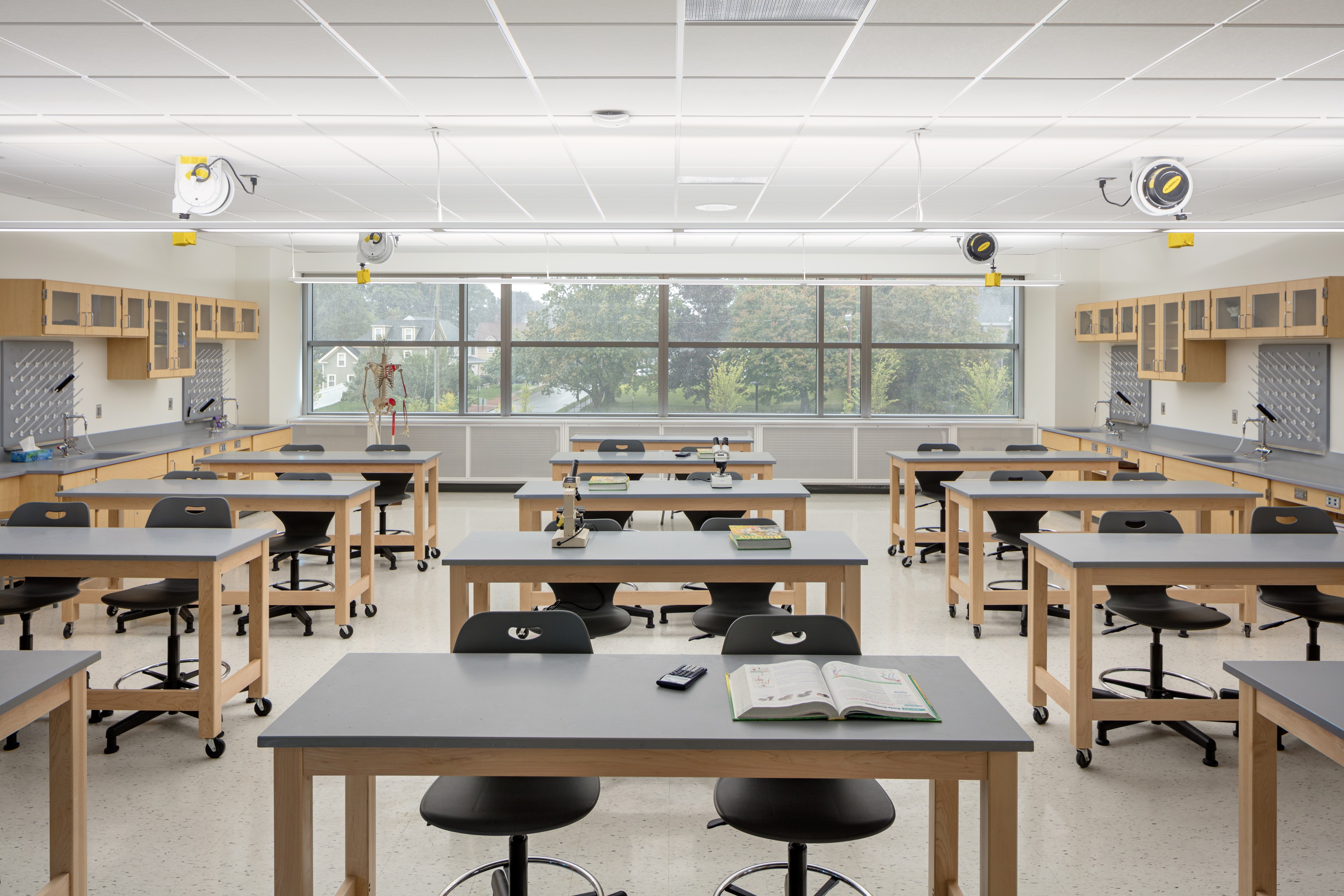
A variable air volume (VAV) diffuser is essentially a ceiling diffuser with a built-in VAV damper and thermostat. Despite its simplicity, this device comes with many benefits and is an effective way to create small-zone comfort for building occupants.
Read More
Topics:
GRD,
Diffusers,
Thermal Comfort,
HVAC Fundamentals,
HVAC,
Engineering,
Design Engineering
Providing Terminal Units with Energy Efficiency and Control
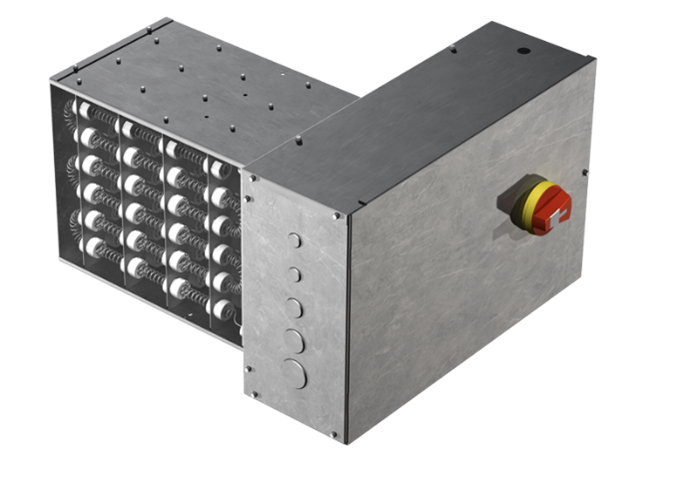
Fan-powered terminal units use a motor and blower assembly to handle high levels of external static pressure, which enables the product to serve long duct runs and multiple air outlets. Using a motor within an assembly allows for smaller air handling units and gives the terminal unit the ability to tolerate variability in the heating and cooling requirements of exterior zones.
Read More
Topics:
Terminals,
HVAC Fundamentals,
HVAC,
Engineering
An Essential Design Consideration for Mechanical Engineers
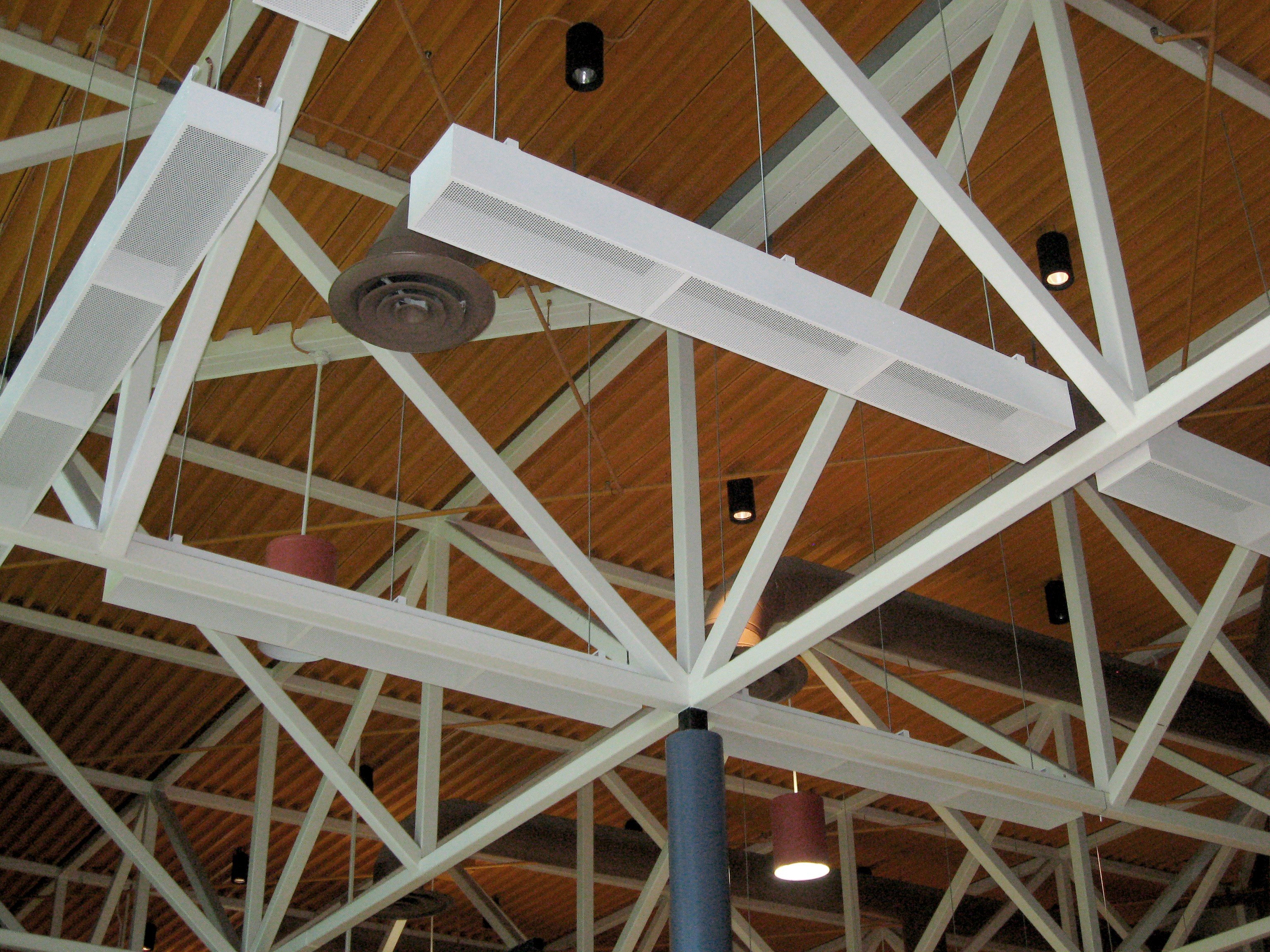
Pressure drop – the difference in pressure between two points in a fluid-carrying system – is one of the most critical design considerations for air distribution equipment in the HVAC industry. The problem with pressure drop for terminal units is that there are a number of metrics that are often confused with one another despite referring to different performance variables. These include static pressure drop, velocity pressure drop, pressure drop associated with acoustics and pressure drop associated with accessories.
Read More
Topics:
Pressure Drop,
Terminals,
HVAC Fundamentals,
HVAC,
Engineering,
Design Engineering
Exploring Pressure-Dependent and Pressure-Independent Fluid Control
Water-to-air heat exchangers are commonly used throughout commercial HVAC systems. The amount of fluid flowing through a coil directly influences the temperature exchanged to the air, which ultimately impacts the thermal comfort of those in the space. Both the type and size of piping package components are important to ensure that the overall system is running efficiently and to optimize thermal comfort.
Read More
Topics:
Terminals,
HVAC Fundamentals,
HVAC,
Engineering,
Design Engineering